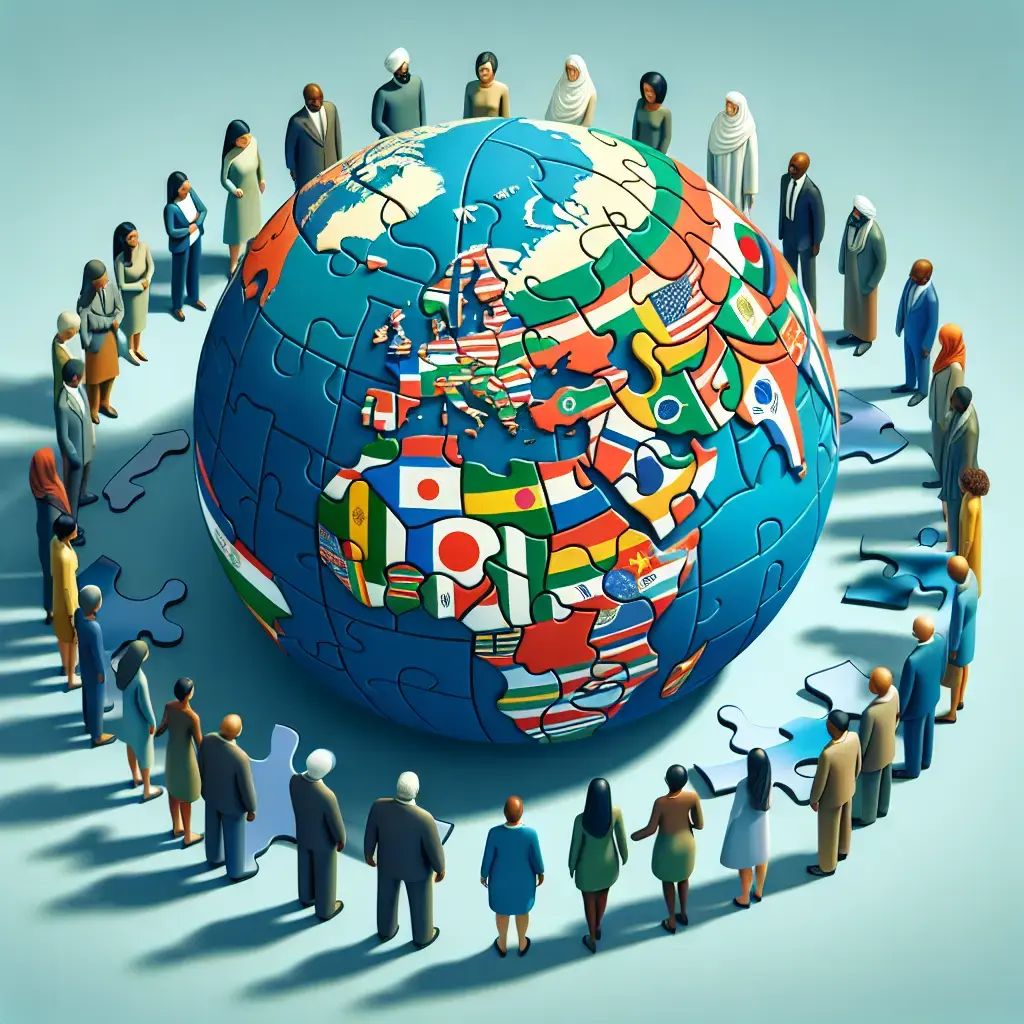
In today's interconnected landscape, international law stands as a crucial pillar supporting the intricate web of globalization. As nations become increasingly interdependent, the need for a coherent global legal framework grows, shaping how countries interact on the world stage. International law serves as the backbone of global governance, influencing international relations and facilitating smooth cross-border regulations. Through international treaties, countries commit to shared standards that uphold global justice and protect human rights. This collaborative legal effort is vital for fostering international trade law, enabling nations to engage in economic exchanges that drive global prosperity.
Navigating Digital Security: Protecting Intellectual Property in a Globalized World
In the digital age, safeguarding intellectual property is a pressing concern, especially for writers and creators. The importance of digital security strategies to protect creative works online underscores broader implications for international law, particularly in establishing cross-border regulations that protect intellectual property rights across nations. As writers leverage global platforms to share their work, international treaties and agreements become essential tools in ensuring that intellectual property laws are respected and enforced worldwide. Such measures are vital for maintaining global justice and protecting creators from intellectual theft.
The Importance of IT Infrastructure Resilience in Global Governance
The recent CrowdStrike software failure underscores the critical role of robust IT infrastructure in maintaining global governance and international trade law. This incident disrupted customer experiences and revealed vulnerabilities in our interconnected systems. It highlights the urgent need for system resilience and contingency planning at both national and international levels. As international organizations rely heavily on digital infrastructure, ensuring its reliability is paramount for effective global cooperation and security. This incident illustrates how international law can guide nations in establishing protocols to enhance cybersecurity and data protection across borders, fostering trust and stability in international relations.
Adapting to New Regulations: The Impact of the Flexible Working Act on Global Trade
With the implementation of the Flexible Working Act 2023 in the UK following the Labour Party's electoral victory, new regulatory challenges have emerged within the hospitality sector. This legislative change demonstrates how domestic laws can influence international trade law and global cooperation. As businesses adapt to these new regulations, international organizations must facilitate discussions to harmonize such changes with existing global legal frameworks. By promoting dialogue and understanding, international law can help mitigate potential conflicts and ensure smooth economic exchanges that drive global prosperity.
Human Rights and Transgender Laws: A Global Perspective
The ongoing discourse surrounding transgender rights has seen significant evolution globally. Concerns expressed by Nigerian parents abroad regarding global transgender laws highlight the complexities of human rights law in a multicultural world. Many countries have embraced legal frameworks to support and protect transgender individuals, reflecting an increased societal recognition of diverse identities. International organizations play a crucial role in promoting these human rights laws, ensuring compliance and fostering global peace and security. By facilitating international conflict resolution mechanisms, these entities help navigate cultural differences and promote understanding among diverse nations.
Promoting Investment through Global Legal Frameworks: OgunInvest's Initiative
OgunInvest's recent investment webinar exemplifies how international cooperation can open new opportunities for investment. By collaborating with international organizations, Ogun State aims to sustain itself as an investment destination of choice, not only within Nigeria but globally. Such initiatives underscore the importance of international trade law in attracting foreign investments and fostering economic growth. Through international treaties and agreements, countries can create favorable conditions for investors, thereby contributing to global prosperity.
Safeguarding Online Privacy: The Role of VPNs in International Law
The increasing reliance on digital communication has underscored the importance of online privacy. VPNs play a critical role in protecting personal data from prying eyes, aligning with international legal frameworks that advocate for privacy rights and data protection across borders. As globalization intensifies digital interactions, international law must continue to evolve, establishing robust standards that ensure secure online environments while respecting individual privacy.
The Emotional Landscape of Researchers: Insights into International Knowledge Production
A recent study highlights the significance of emotional intelligence among researchers who contribute to knowledge production on an international scale. Understanding how personality and emotional intelligence affect researchers' ability to manage stress can offer valuable insights into enhancing productivity and collaboration across borders. International organizations can leverage these insights to develop policies that support researchers globally, fostering an environment conducive to innovation and discovery.
Conclusion: Navigating the Global Legal Landscape
As we navigate the complexities of a globalized world, international law emerges as a pivotal force in ensuring justice and cooperation. Here's a recap of the critical aspects discussed:
- Digital Security and Intellectual Property: The protection of intellectual property across borders is essential in the digital age, emphasizing the need for robust international agreements.
- IT Infrastructure Resilience: The reliance on digital infrastructure necessitates resilient systems to support global governance and commerce.
- Adapting to Regulatory Changes: Domestic laws, such as the UK's Flexible Working Act, impact international trade, requiring harmonization with global legal frameworks.
- Human Rights and Transgender Laws: Promoting and protecting transgender rights reflects broader human rights commitments within international law.
- Investment through Global Cooperation: Initiatives like OgunInvest highlight how international legal frameworks can foster economic growth by attracting investments.
- Safeguarding Online Privacy: The importance of VPNs in protecting privacy underscores the need for evolving international data protection standards.
- Emotional Intelligence in Research: Supporting researchers through understanding emotional intelligence can enhance global knowledge production and collaboration.
Reflecting on these points, it becomes clear that international law must continually adapt to address emerging challenges such as cybersecurity, cultural diversity, and climate change. It is through this adaptation that we can foster a just and peaceful global community.
As you ponder these insights, I encourage you to consider how international law impacts your life and community. Share your thoughts and experiences in the comments below—your voice contributes to our understanding of this intricate and ever-evolving field.
In solidarity with a just world, Eleanor Bennett